Roomba 2026
Segment: Consumer Electronics
Brand: IRobot
Role: Lead Senior Industrial Designer
Credit: IRobot Engineering team
Location: Boston
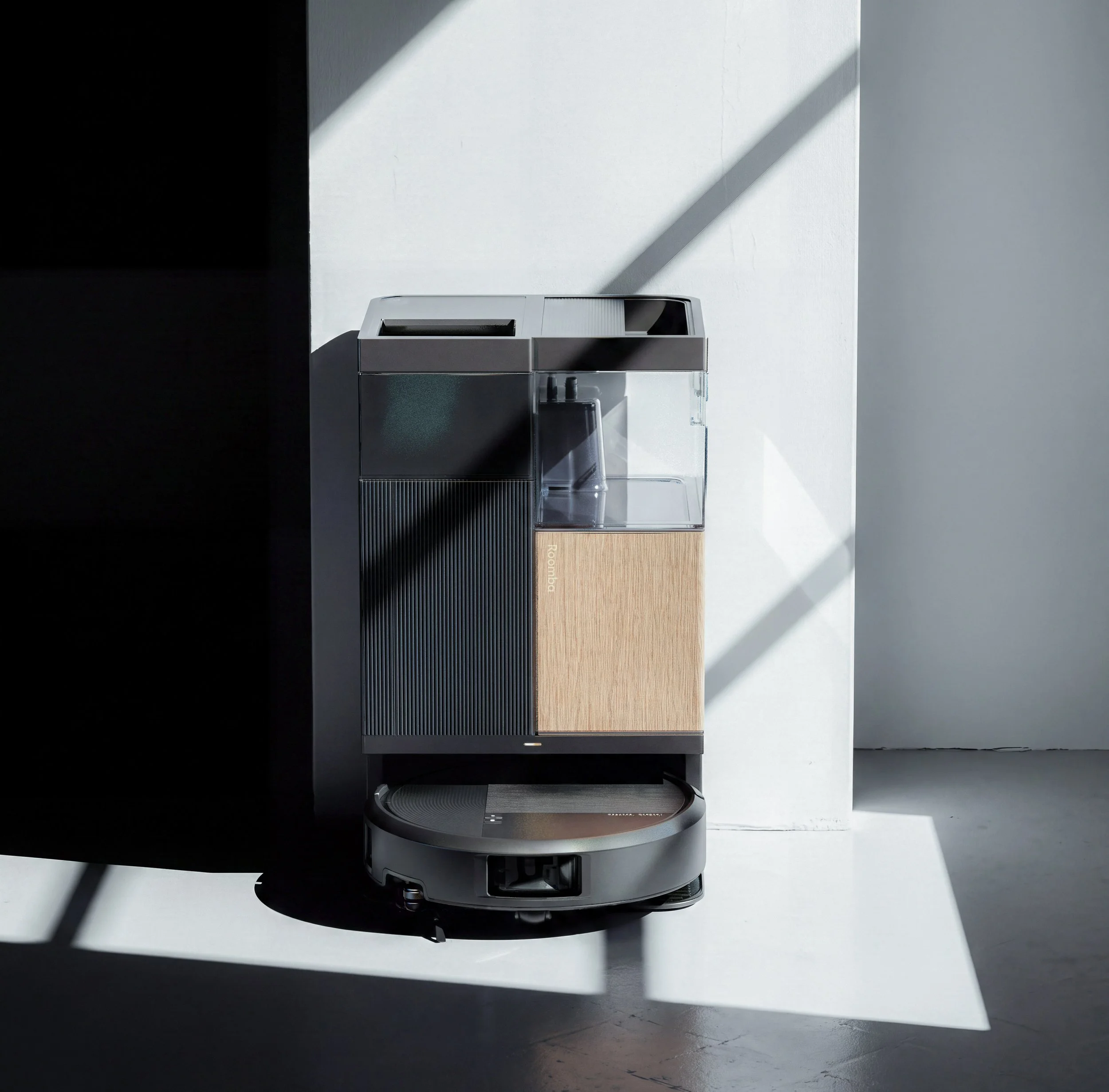
Roomba has become synonymous with the robot vacuum category itself. Founded in 1990, iRobot defined the category with the launch of the first Roomba in 2002. In 2025, the well known first vacuum maker went into a new era. At this crucial turning point for the brand, the design team was asked to fundamentally redefine the product from brand expression and design language to its functionality and user experience. The goal was to create a fresh, positive image for the brand while strengthening Roomba’s position in the evolving robot vacuum market. The new design language was developed to reflect iRobot’s new strategic direction while highlighting significant technological and functional improvements. These include a new LiDAR sensor, stronger suction power, extended deep-cleaning capabilities, and a dual cleaning system. The refreshed design and enhanced performance give Roomba a more modern, confident identity while building on its heritage as a pioneer in robotic cleaning.
Product Definition
Structural Geometry
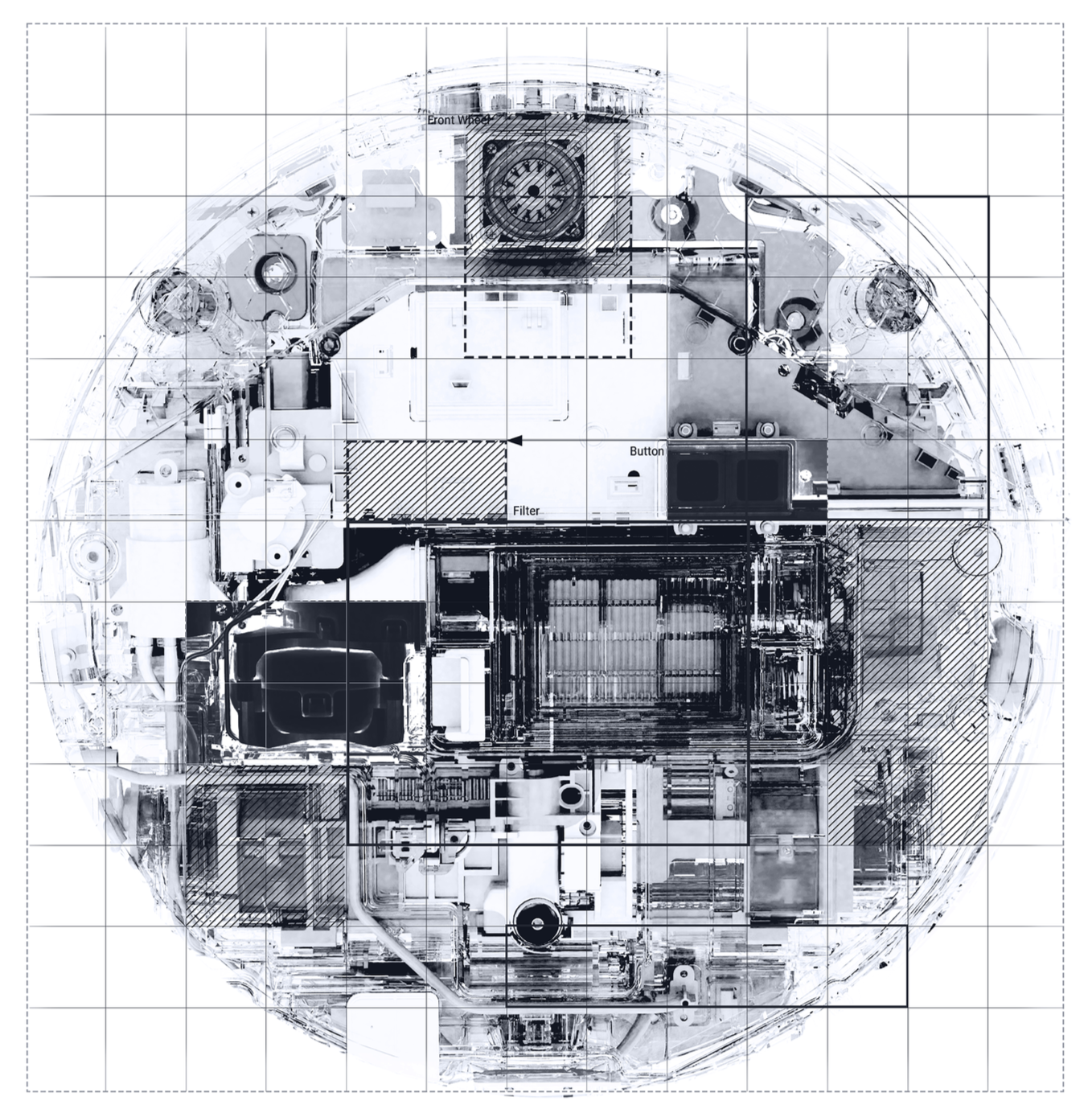
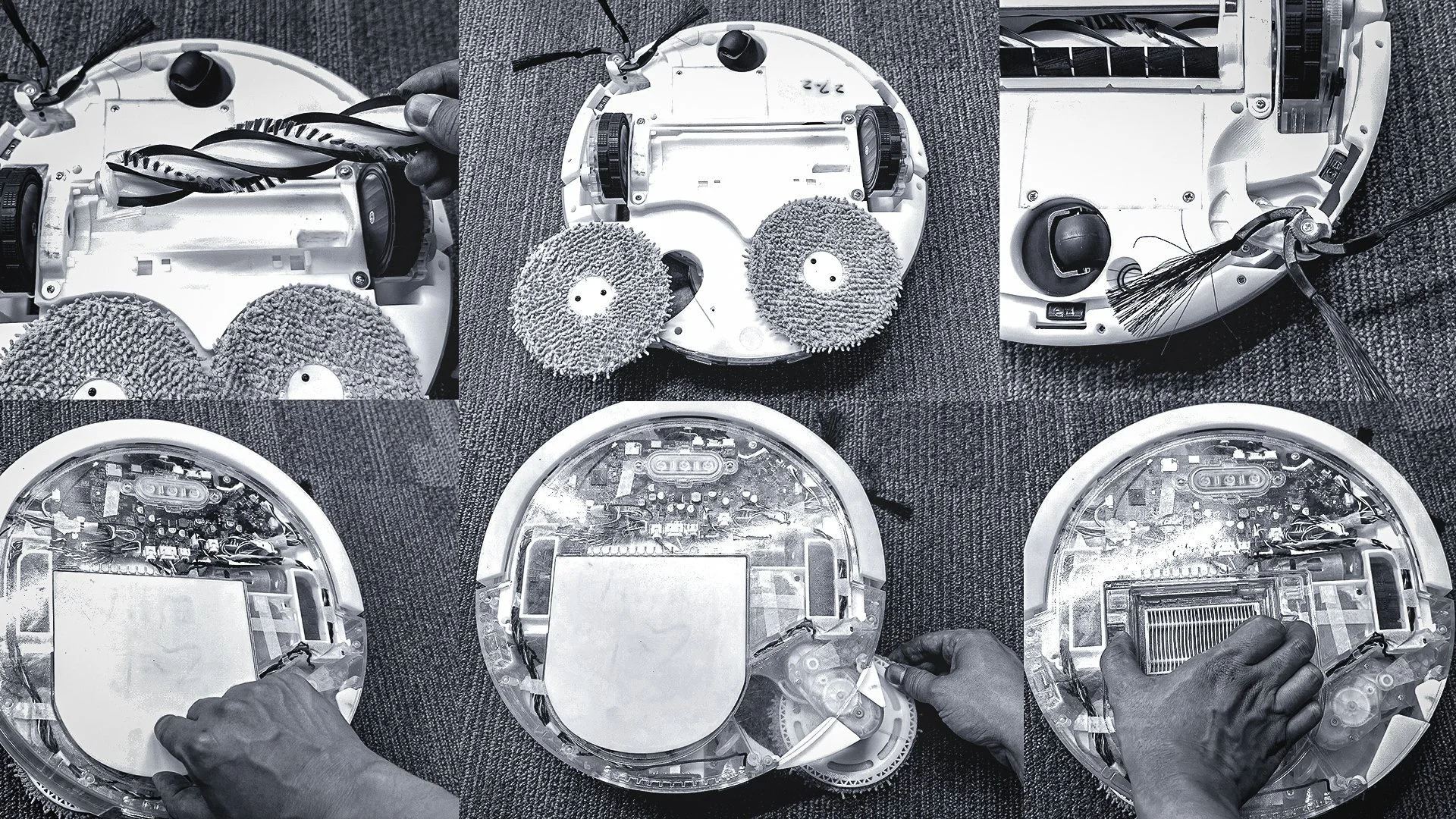
The Roomba robot vacuum is thoughtfully divided into multiple compartments, each carefully designed to house key components efficiently. The mechanical components naturally create distinct geometric visual elements throughout both the robot and its dock. Rather than hiding these engineering elements, the design embraces them as part of the product’s identity. The resulting geometric language is simple, versatile, and closely connected to the underlying mechanical structure, creating a design that feels both purposeful and organic.
Context Definition
Architectural geometry
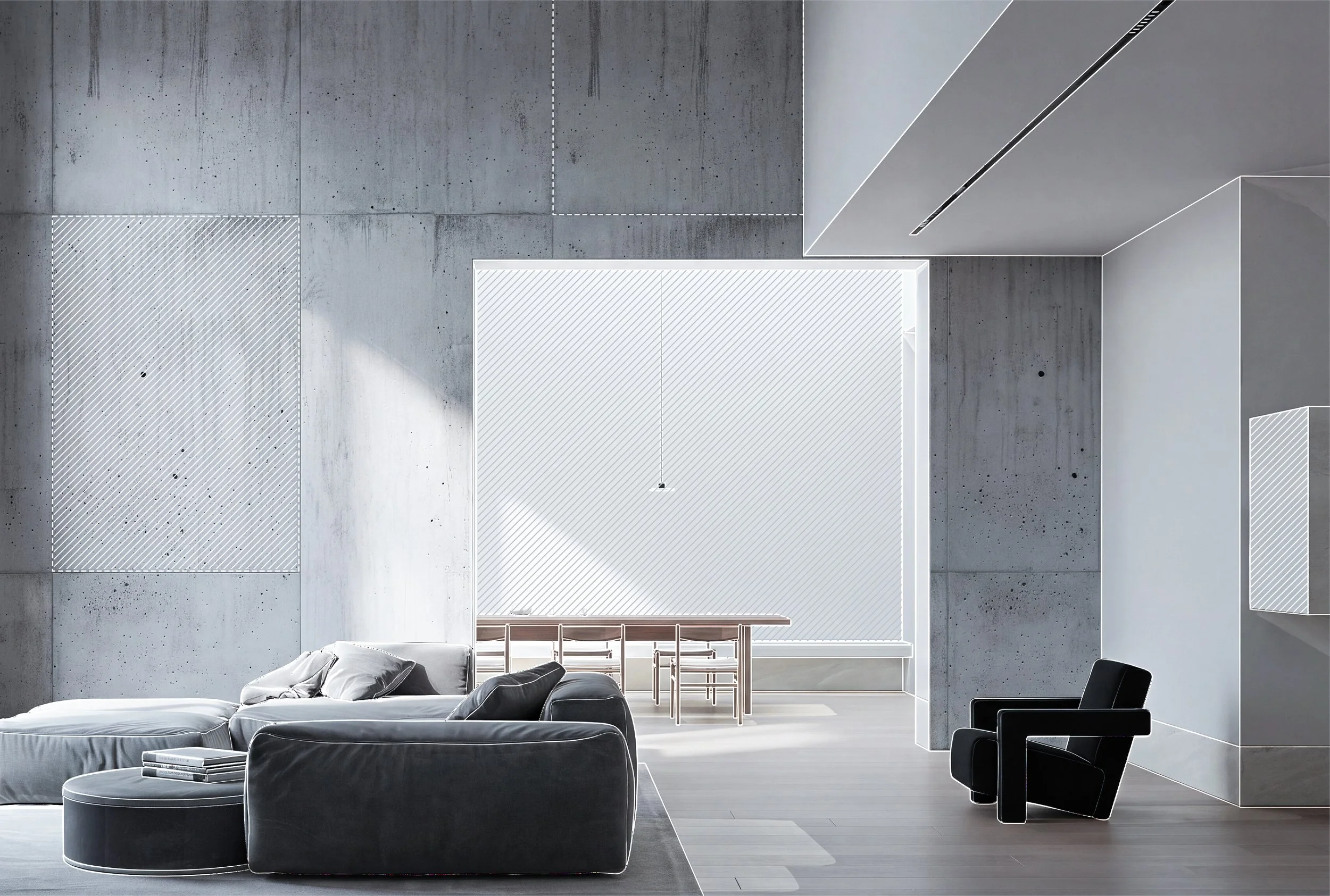
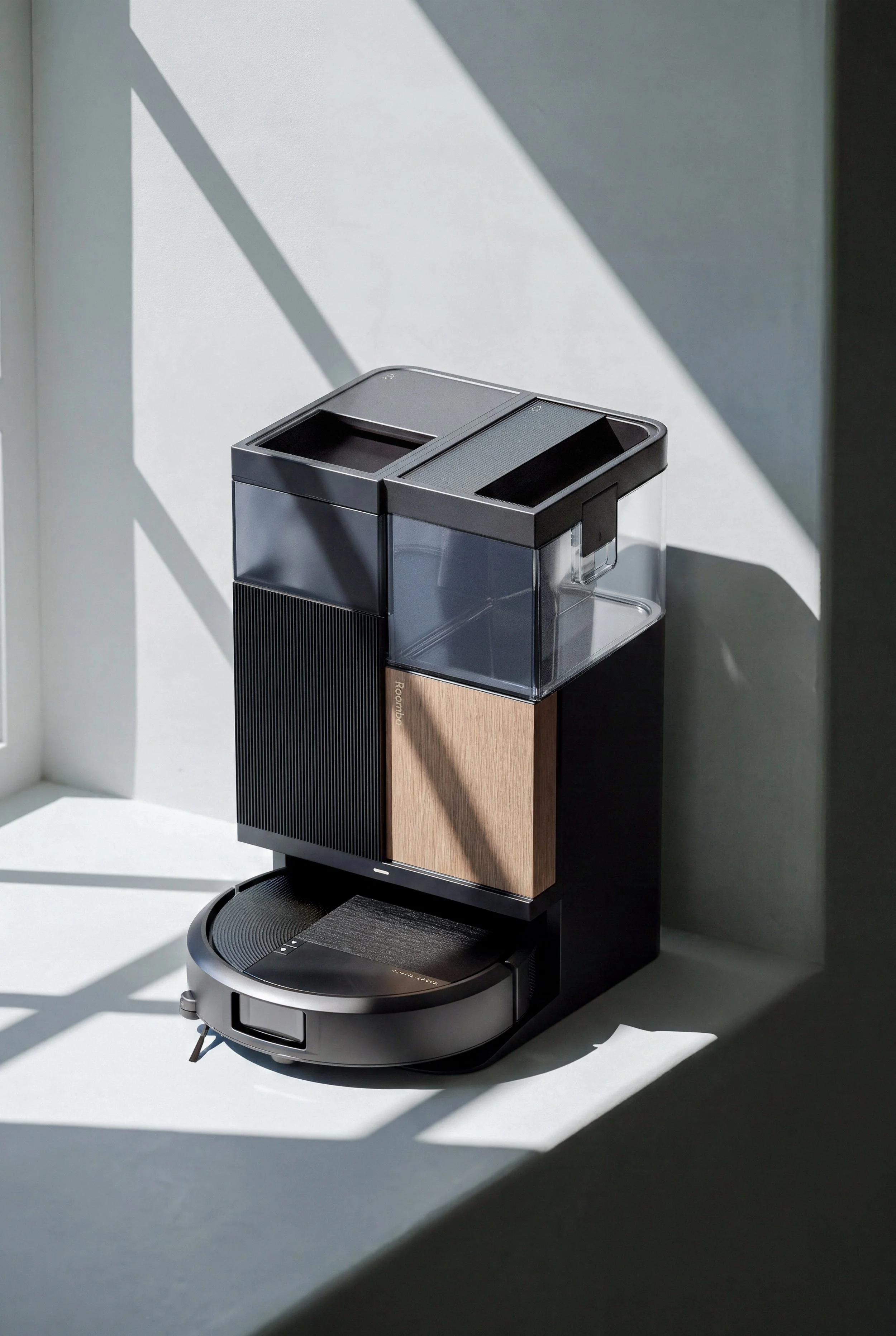
While developing the new design language for the product, we also looked beyond the product itself to consider the environment where it lives and is used. The goal was to create a design that feels naturally connected to its surroundings. Interior and architectural spaces are often built around simple geometric forms, which closely relate to the structural geometry found within the Roomba. This connection became an important starting point for the design language. By utilizing simple and approachable elements, the 2026 product line is designed to blend naturally into the home. Rather than feeling like a technical appliance, it becomes a seamless part of a clean, comfortable, and welcoming living environment.
The New Design- Grid
The path and legacy
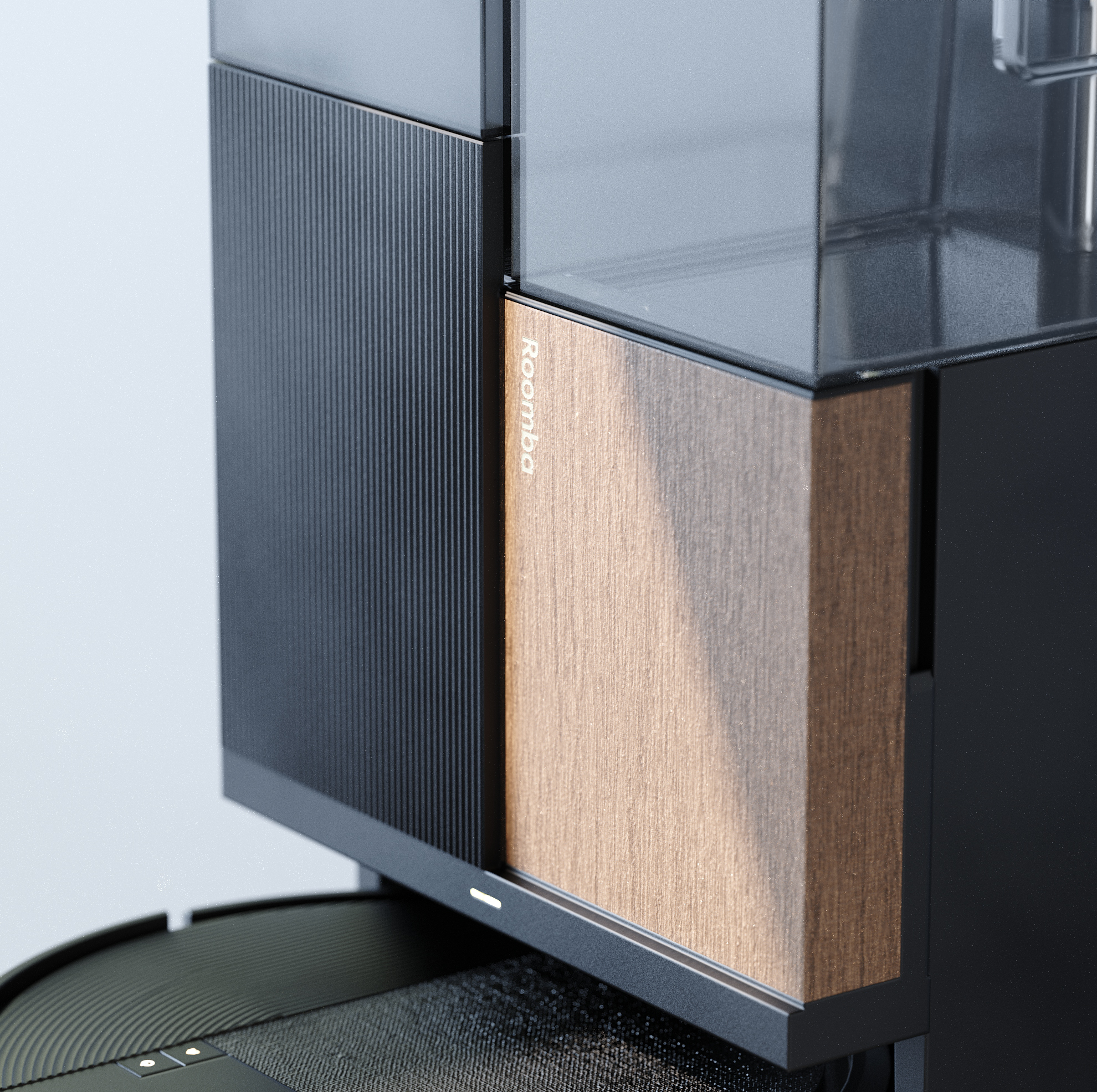
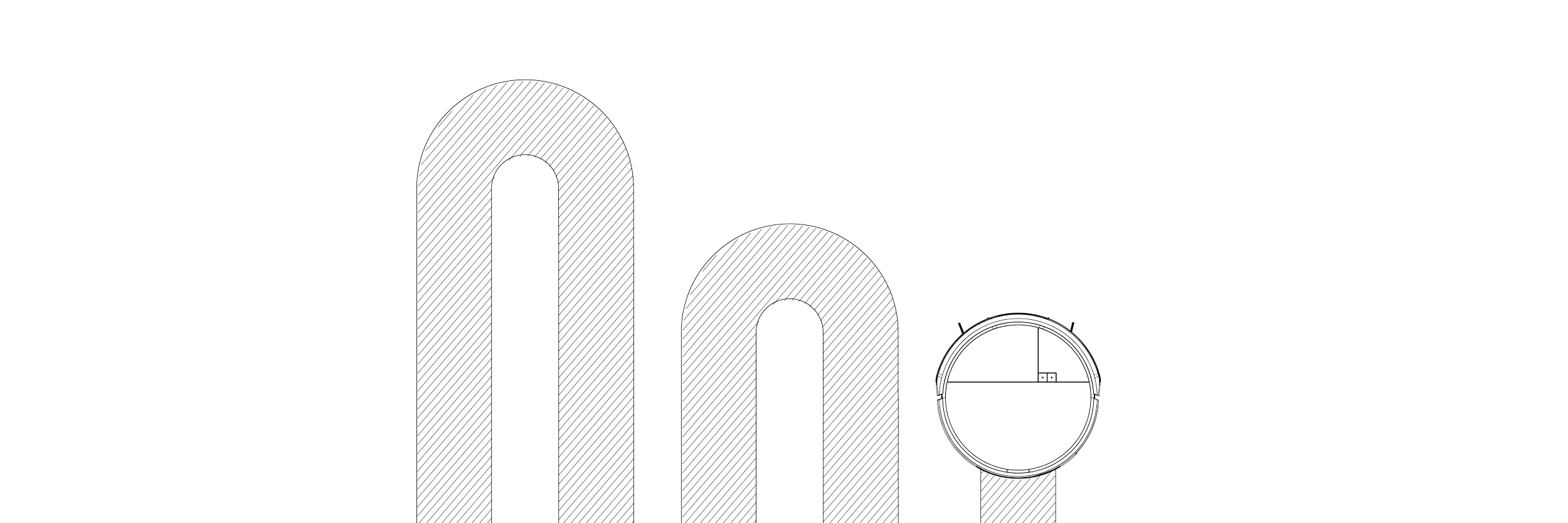
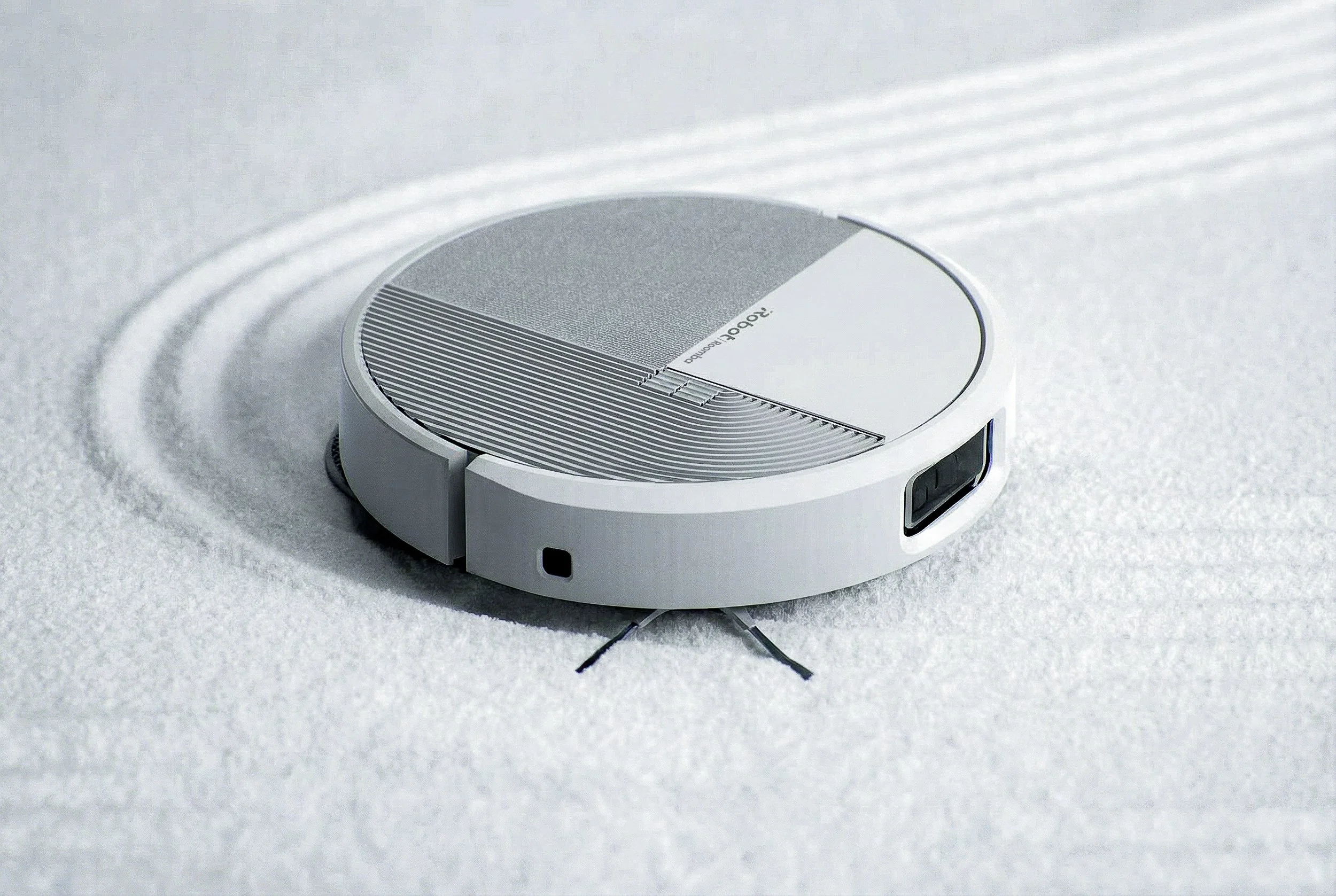
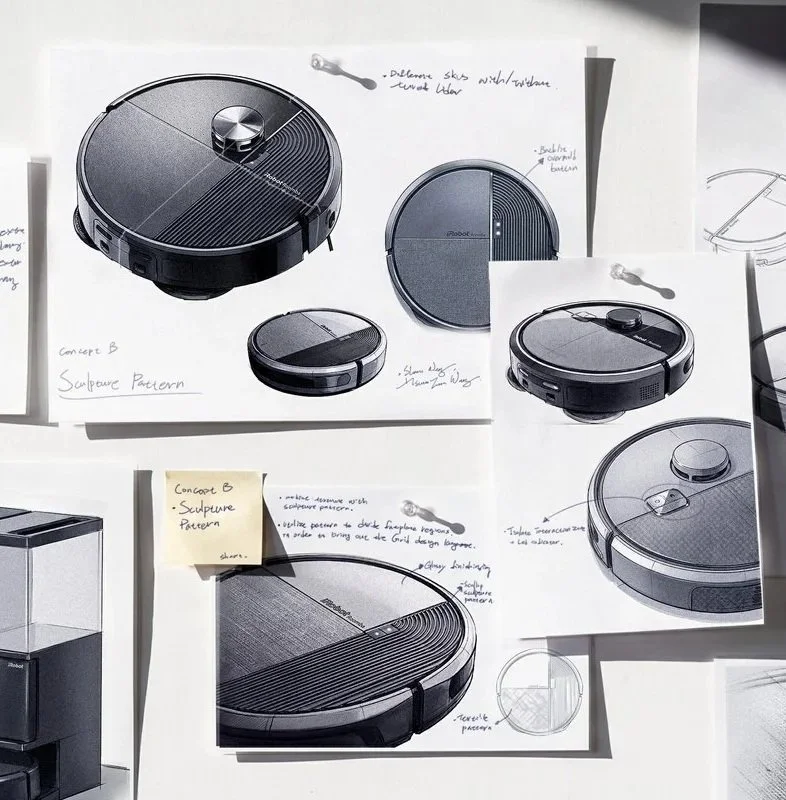
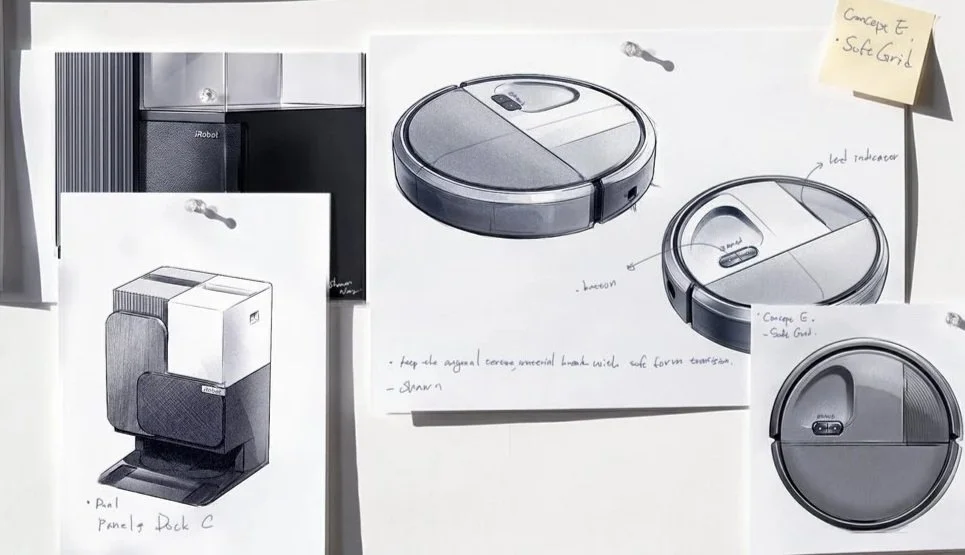
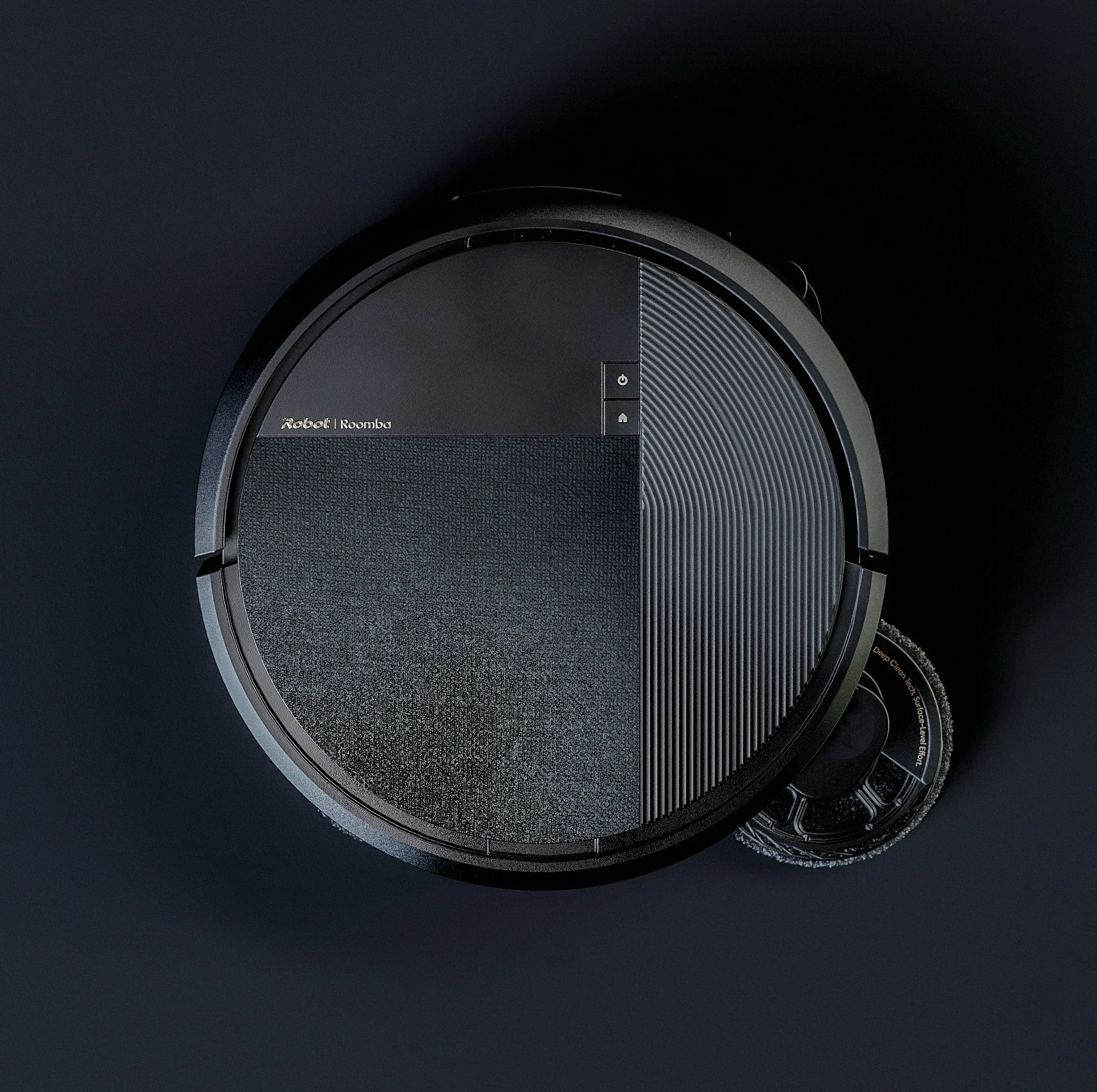
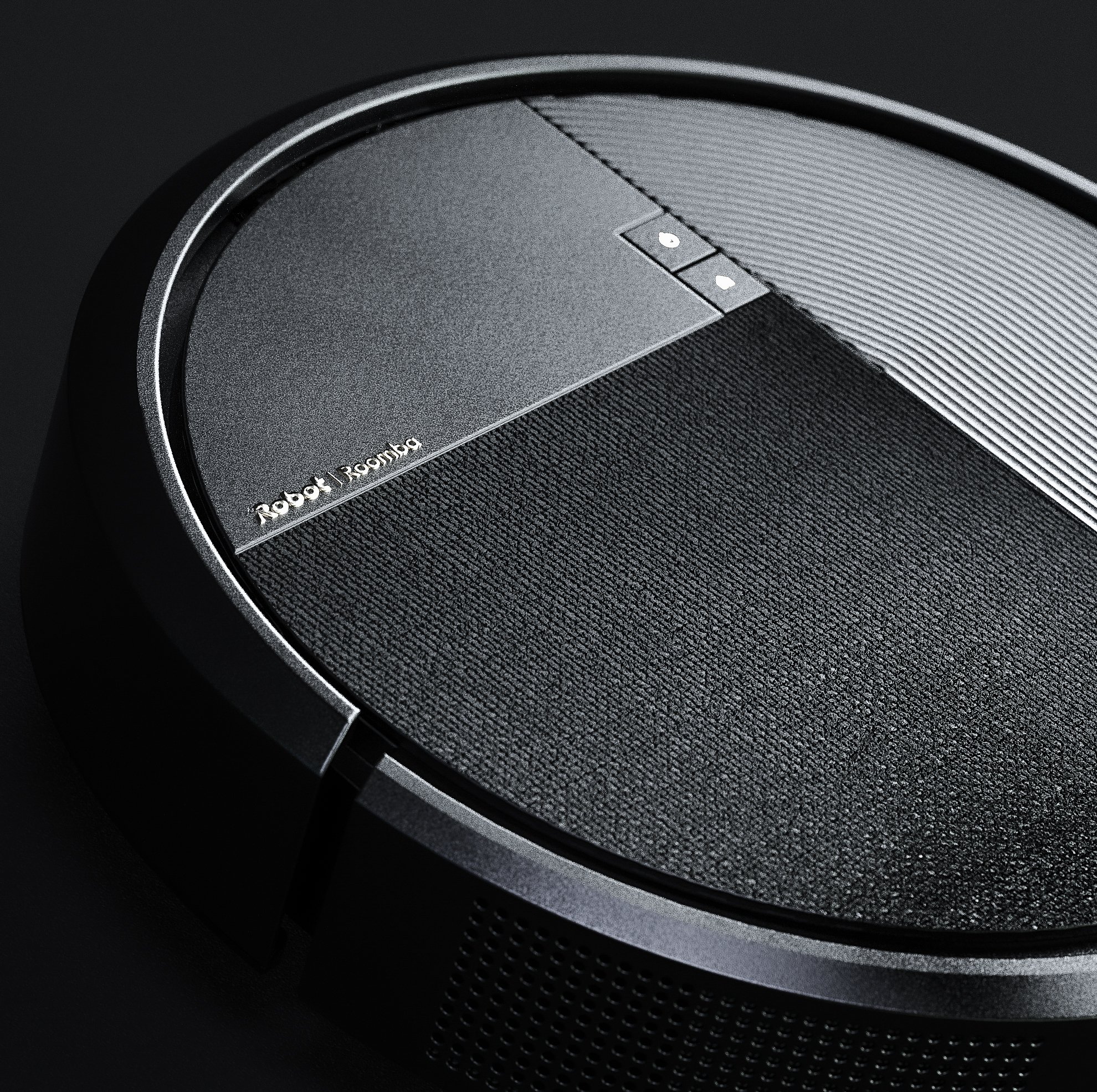
Grid is a structural visual language that brings together product functionality and its surrounding environment. It is defined through a combination of materials, shading created by 3D geometry, structural patterns, and component parting lines. Together, these elements create a consistent and recognizable product design language following it’s native structure. To build a balanced accent on top of Grid design, we take “path” as a visual element inspired by Roomba’s movement and the tracks created by the vacuum during cleaning. It reflects the cleaning trajectories often seen in Roomba’s marketing visuals and transforms them into a distinctive design expression. The goal is to express the Grid in a harmonious, refined, and elegant way, allowing the product to integrate naturally into the interior environment while maintaining a clear connection to Roomba’s functional heritage and visual identity.
Prototypes & Brainstorm
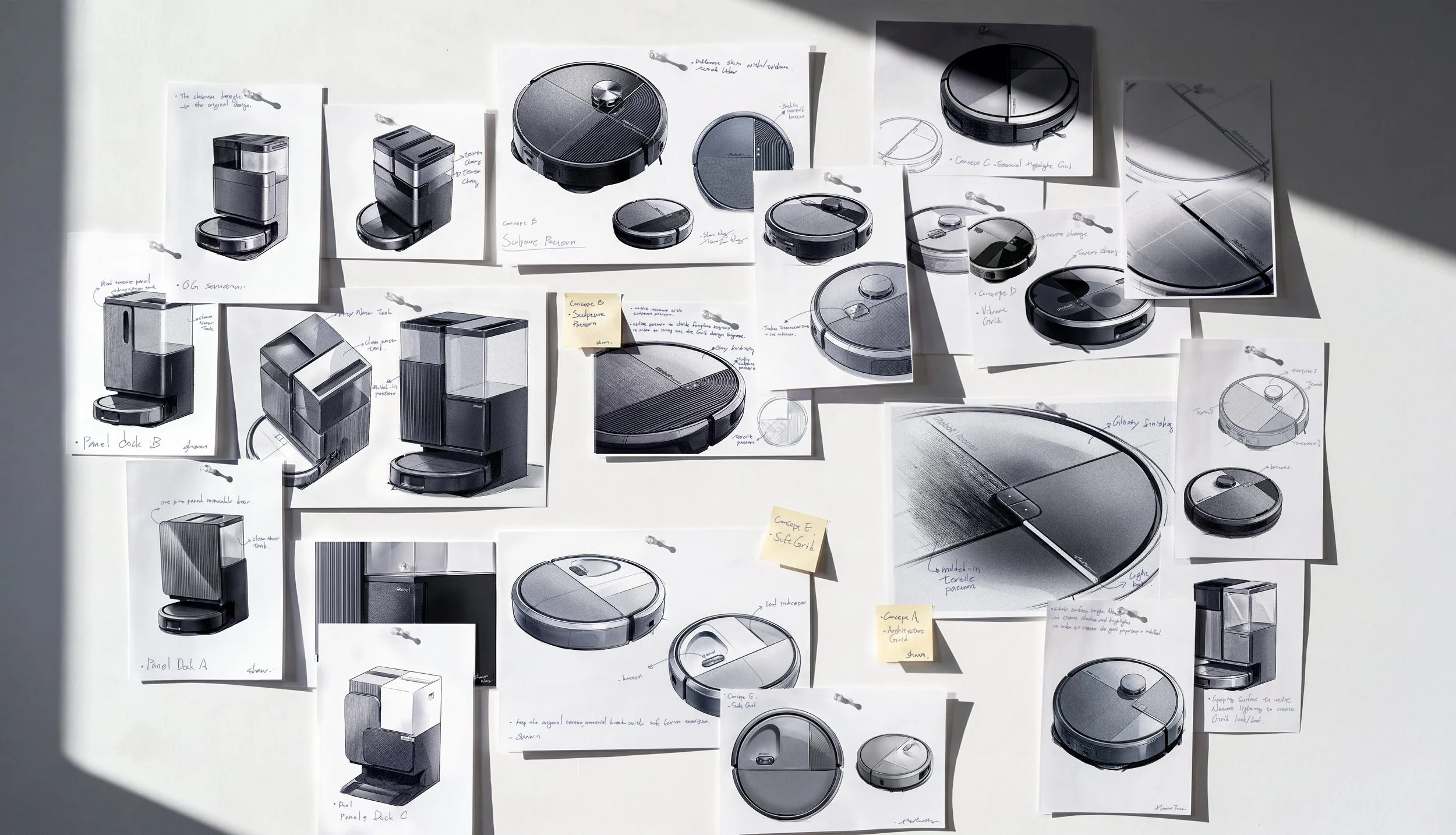
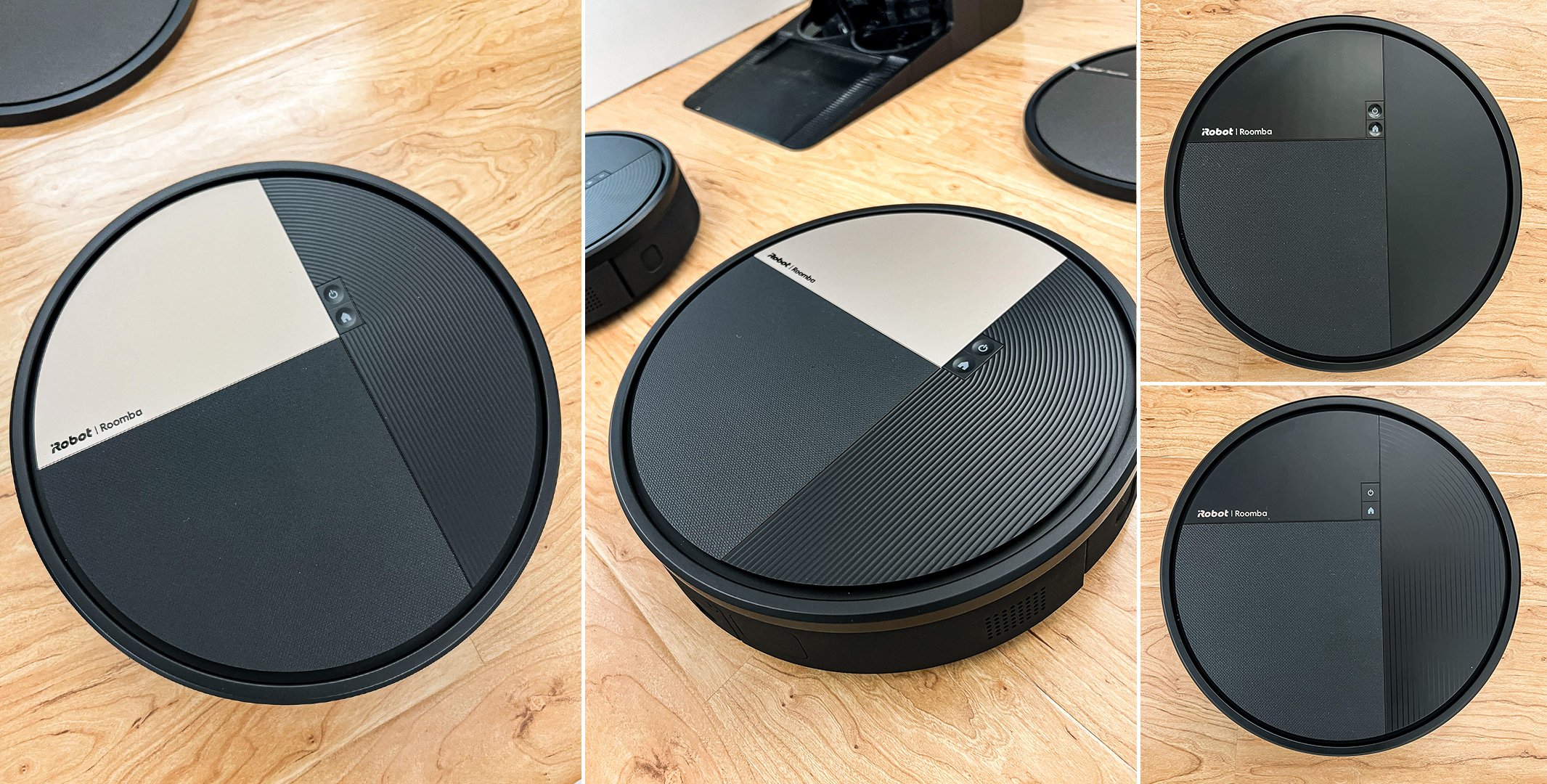
All design concepts and theories are validated through physical prototypes. Each component is carefully considered and developed in close collaboration with our vendors and engineering teams. The design team also explores different materials and manufacturing processes to identify the right solutions for achieving the design vision while meeting engineering requirements, quality standards, and cost targets.
Grid Visual and Function
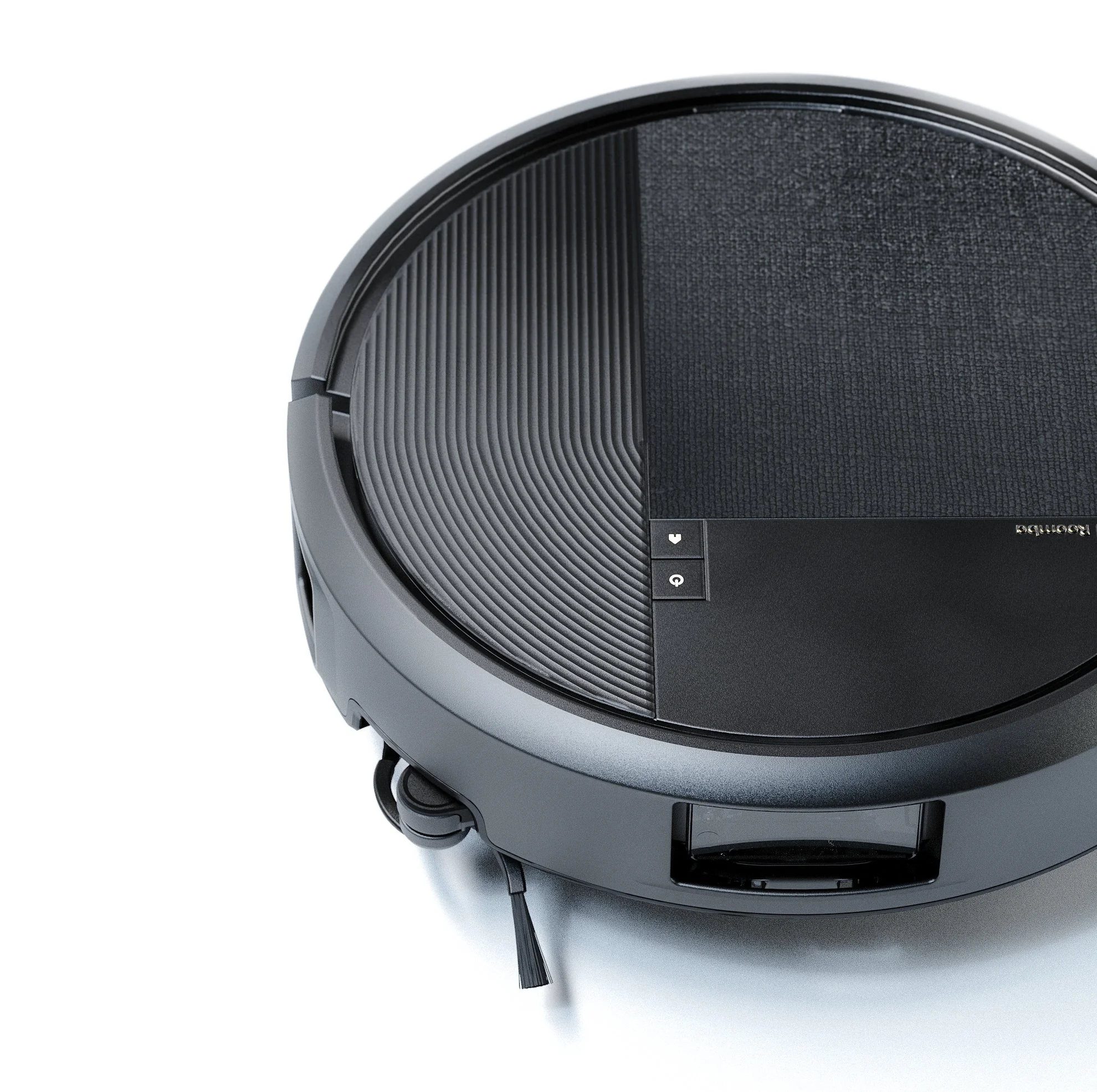
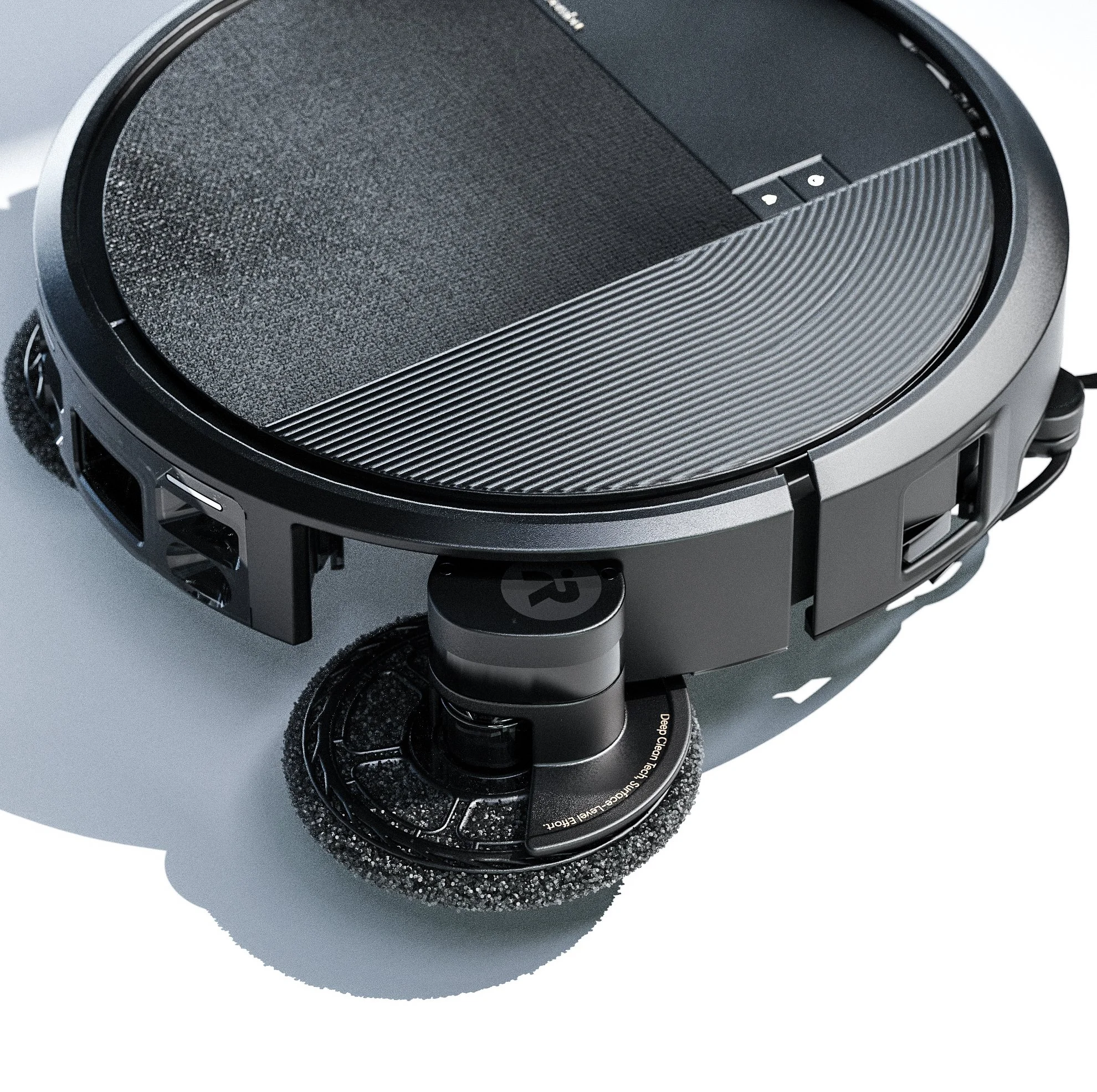
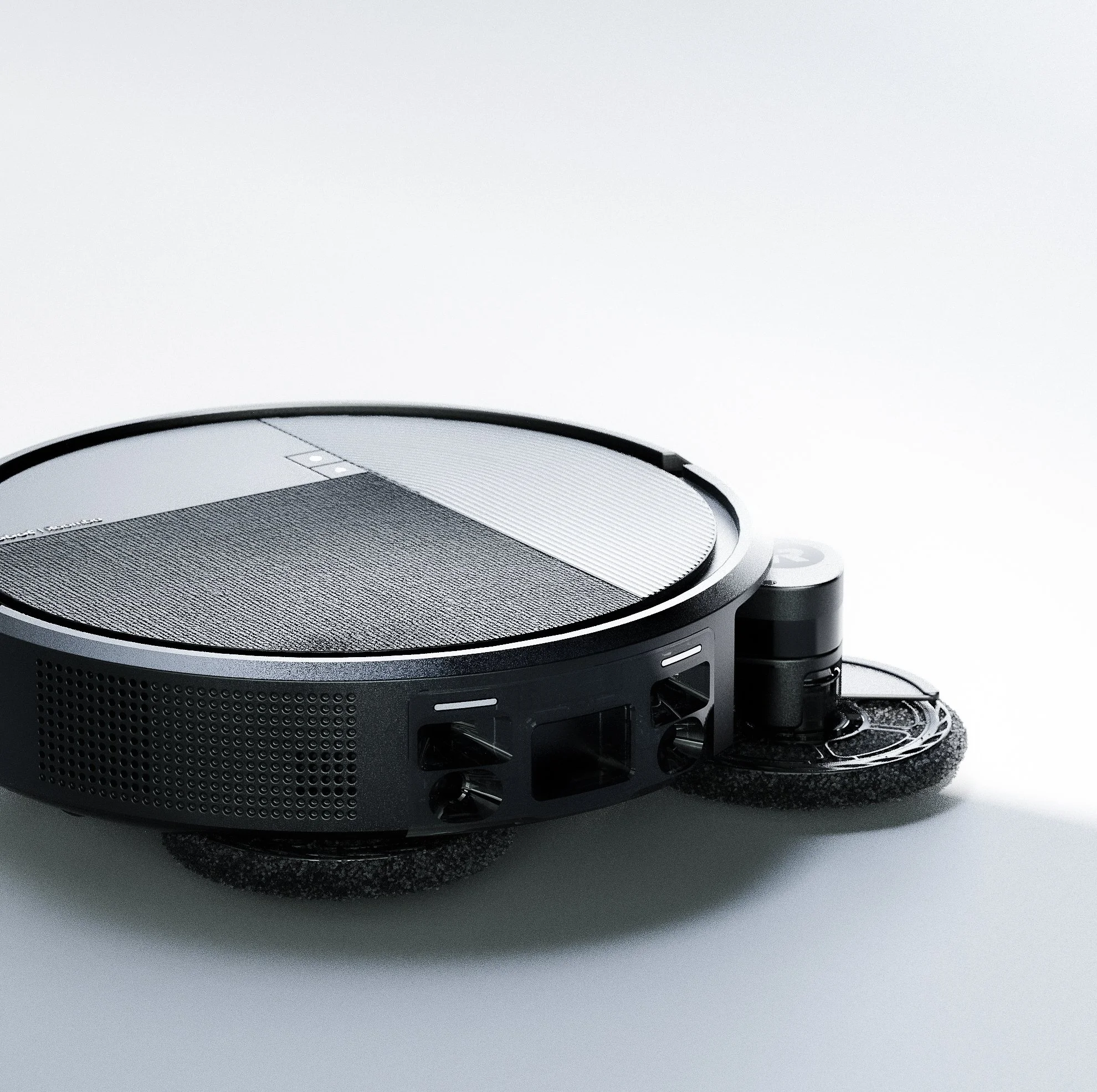
The robot’s top-plate Grid is naturally shaped by the button locations and dustbin structure, turning functional elements into a distinctive design feature. The Grid also provides a clear visual cue for user interaction, helping to communicate where and how the product can be operated.
Grid Visual and Function
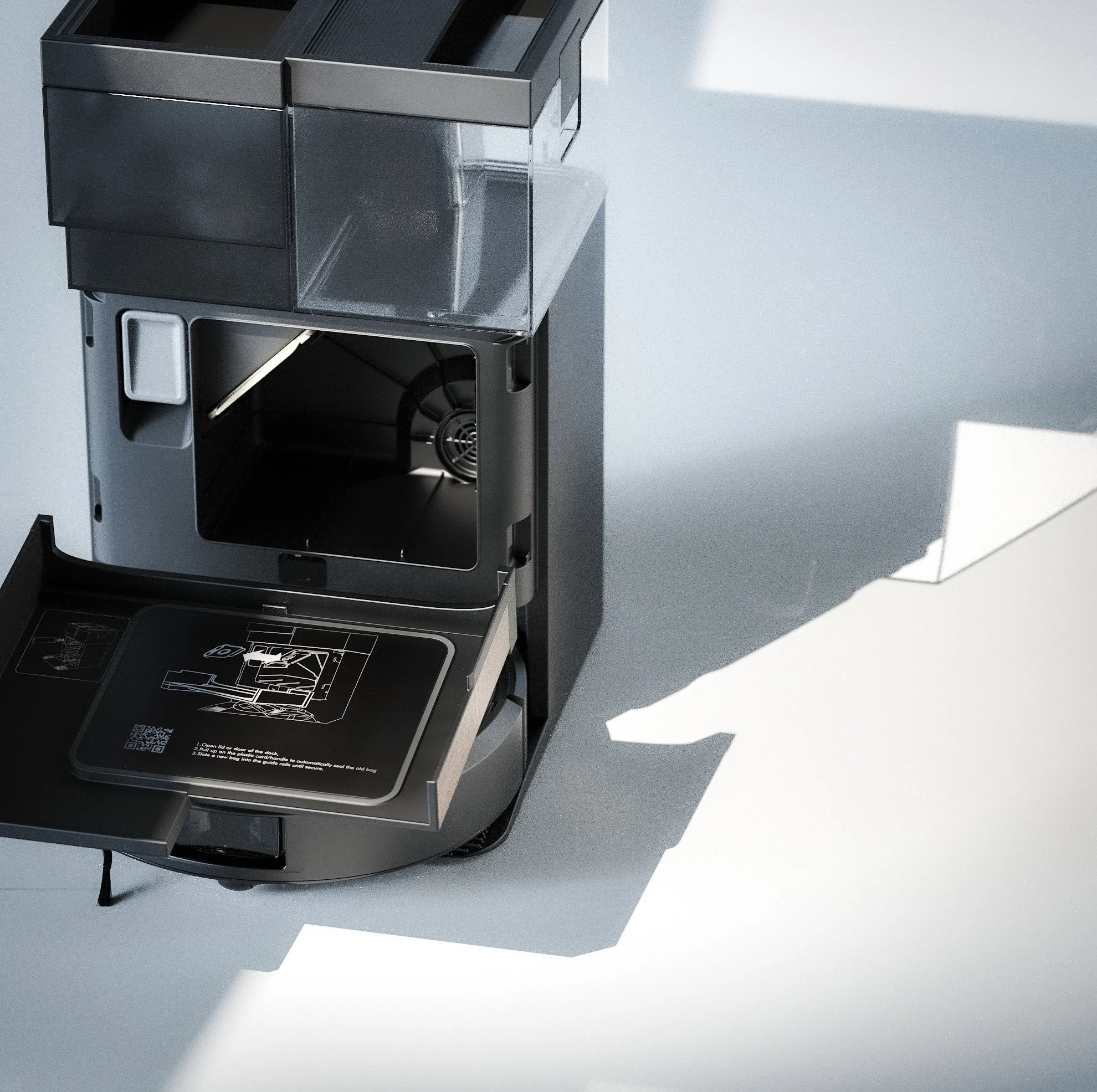
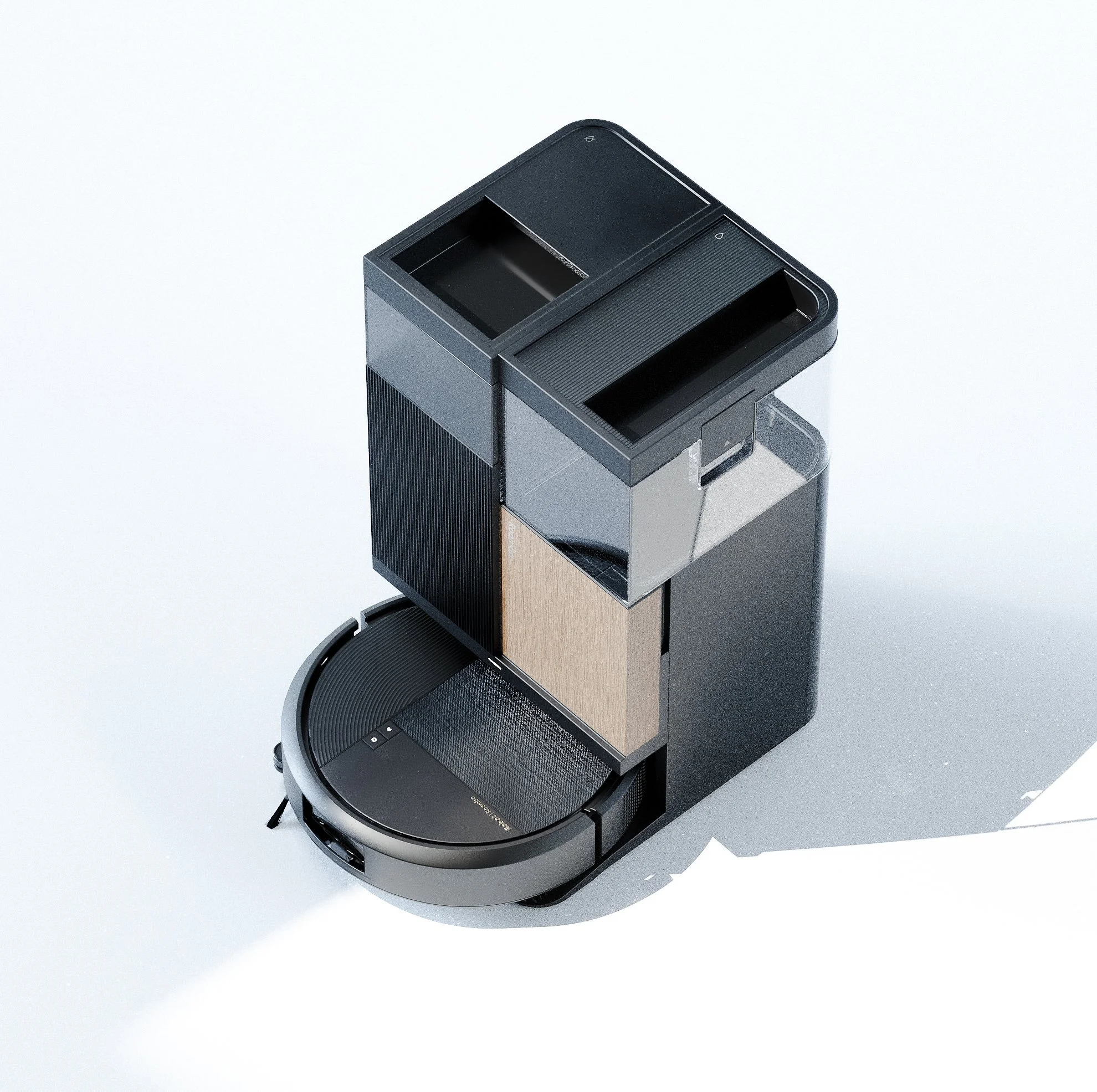
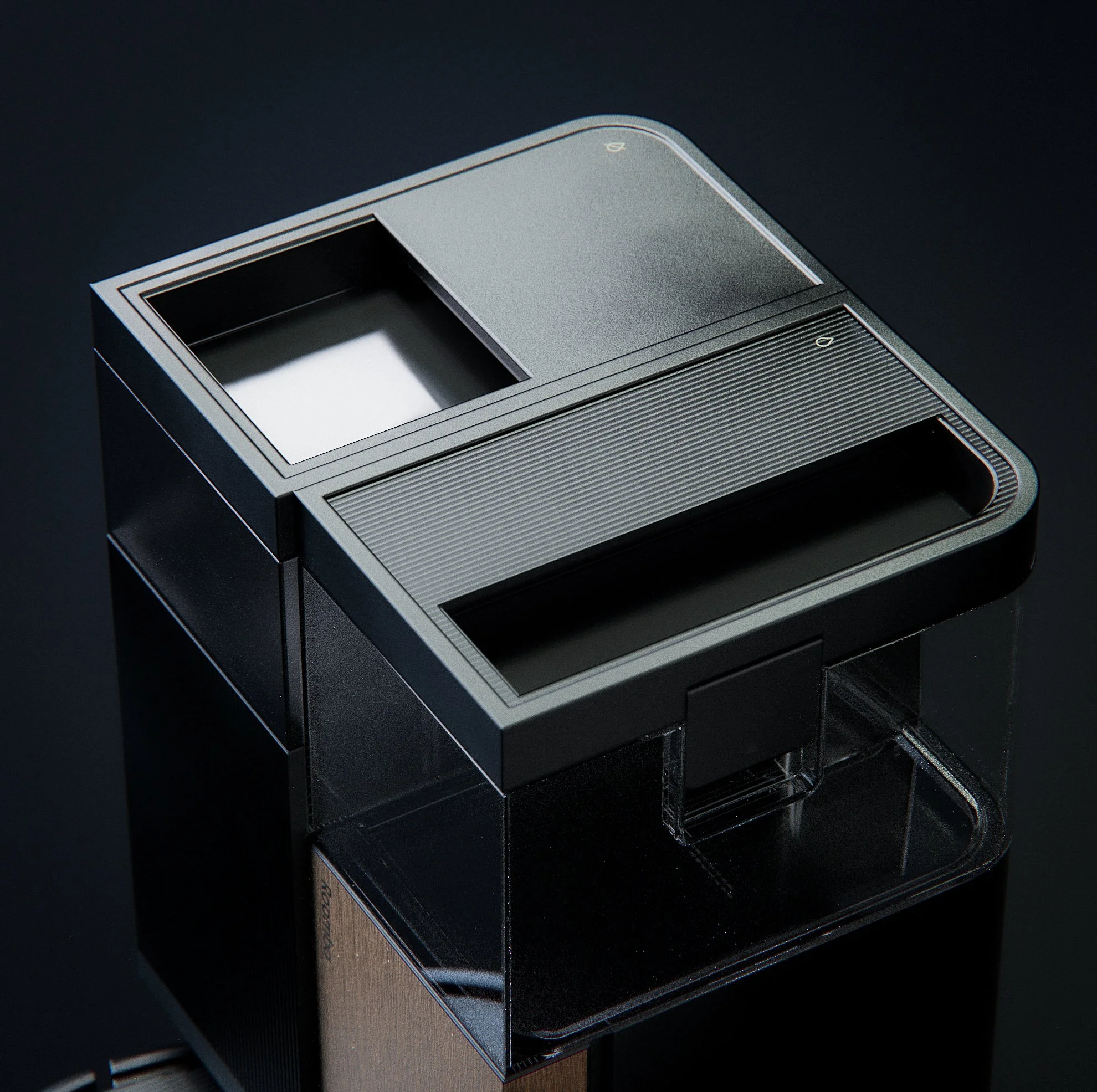
The dock uses architectural structure design to better distinguish the clean water tank and dirty water tank. The stepped front dust-bag door creates a natural visual line that wraps around the dirty water tank area. This line also serves as a subtle cleaning reminder, suggesting that the dirty water should be emptied regularly, approximately every two weeks, to help prevent odors.
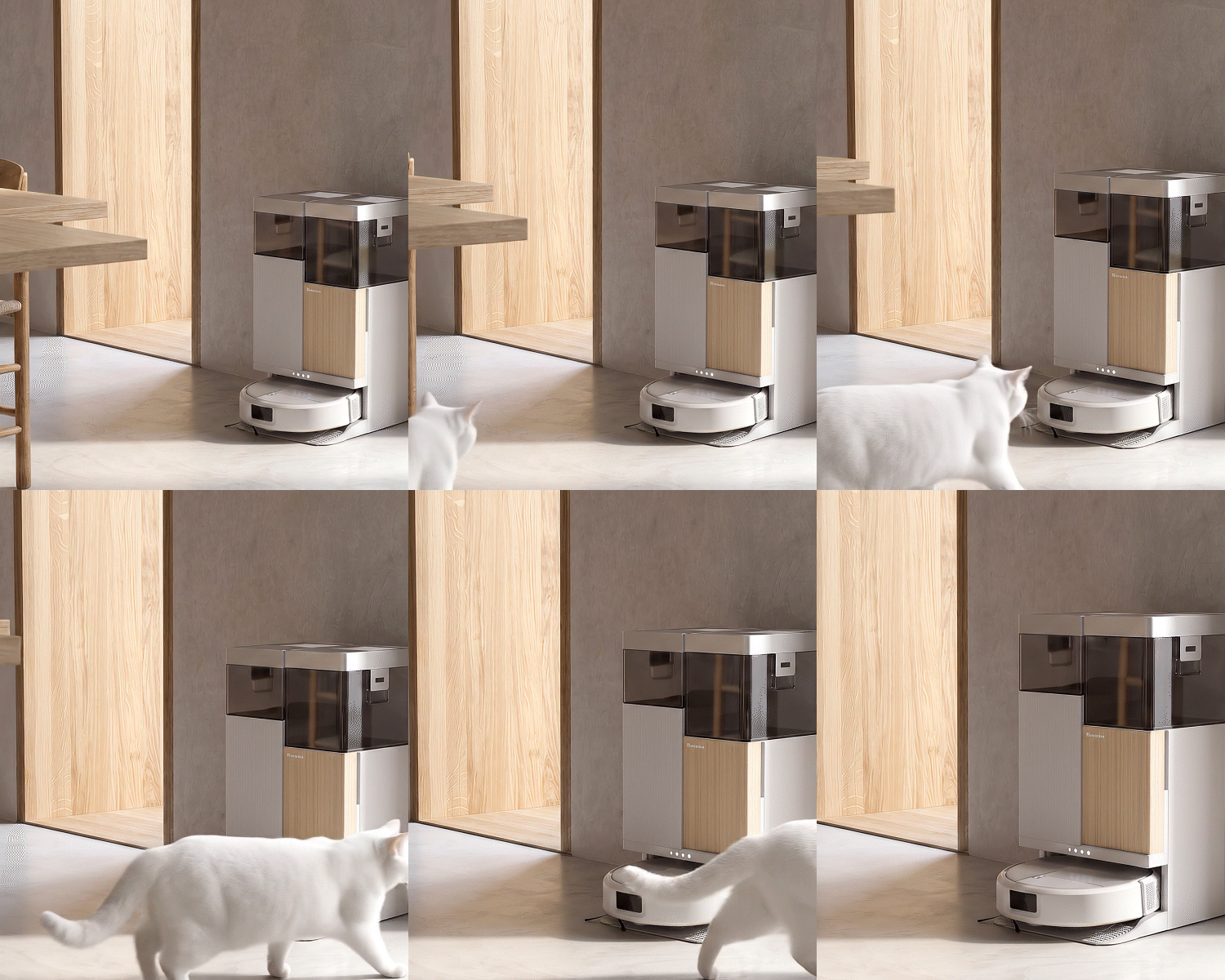
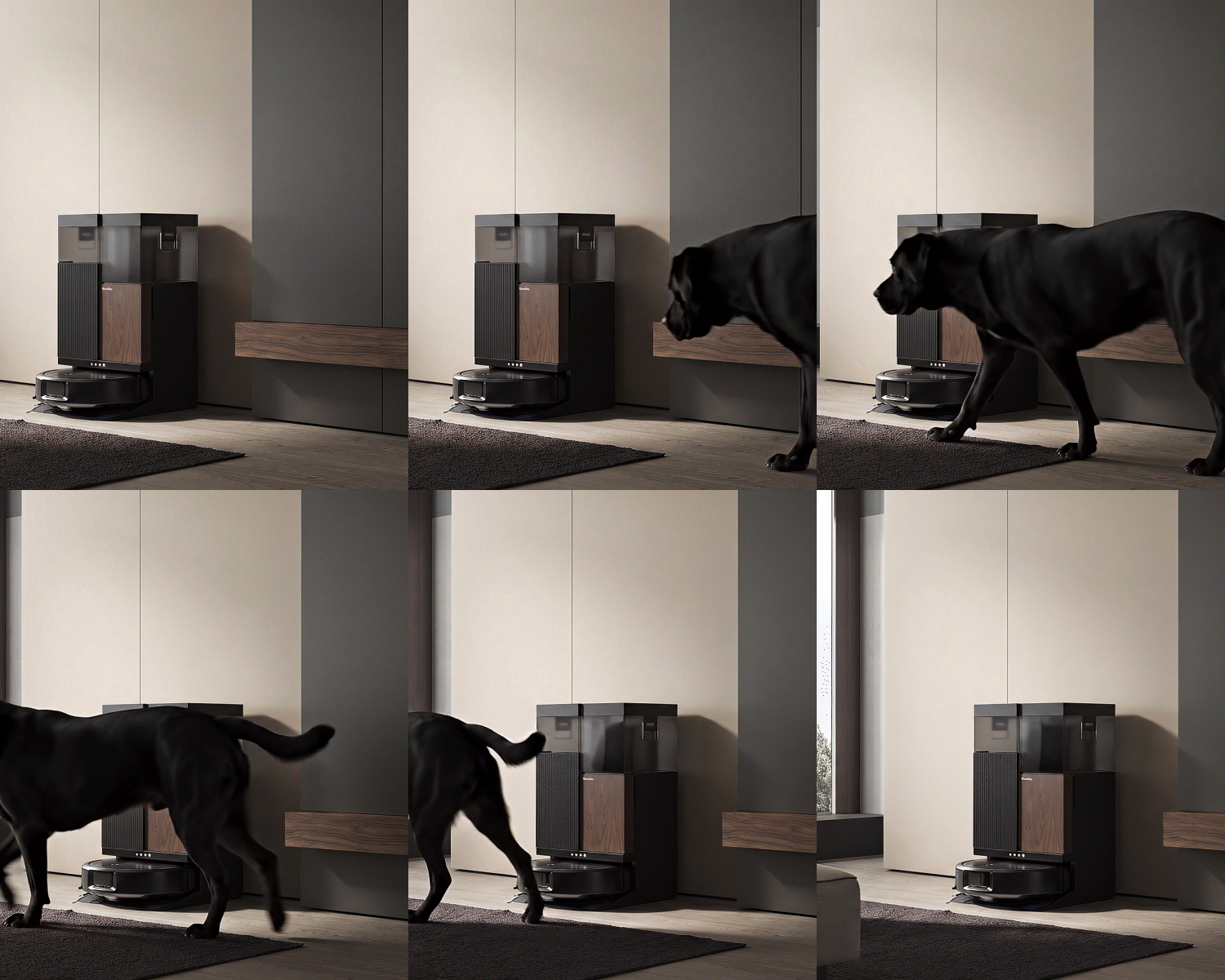
The goal was to create a design that feels naturally connected to its surroundings. Interior and architectural spaces are often built around simple geometric forms, which closely relate to the structural geometry found within the Roomba.